There's been a lot of debate around raised bed gardening this year.
It's What's Up Wednesday!
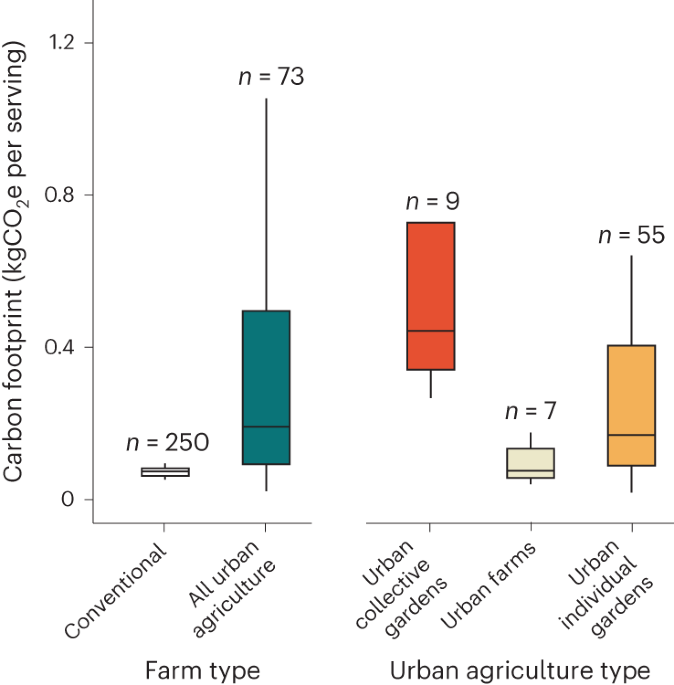
Back at the beginning of the year, the University of Michigan released a study comparing urban agriculture practices (read: growing in raised beds in small home or community gardens) to conventional agriculture (read: commercial farming) for supplying
food to urban areas.
They found that overall, urban agriculture practices have a carbon footprint six times greater than conventional agriculture.
The media did what the media does best: they took this one statement from the findings and ran wild with it. Heaven forbid they should mention that certain vegetables grown with UA practices had a better carbon footprint than CA. Or that one of the big
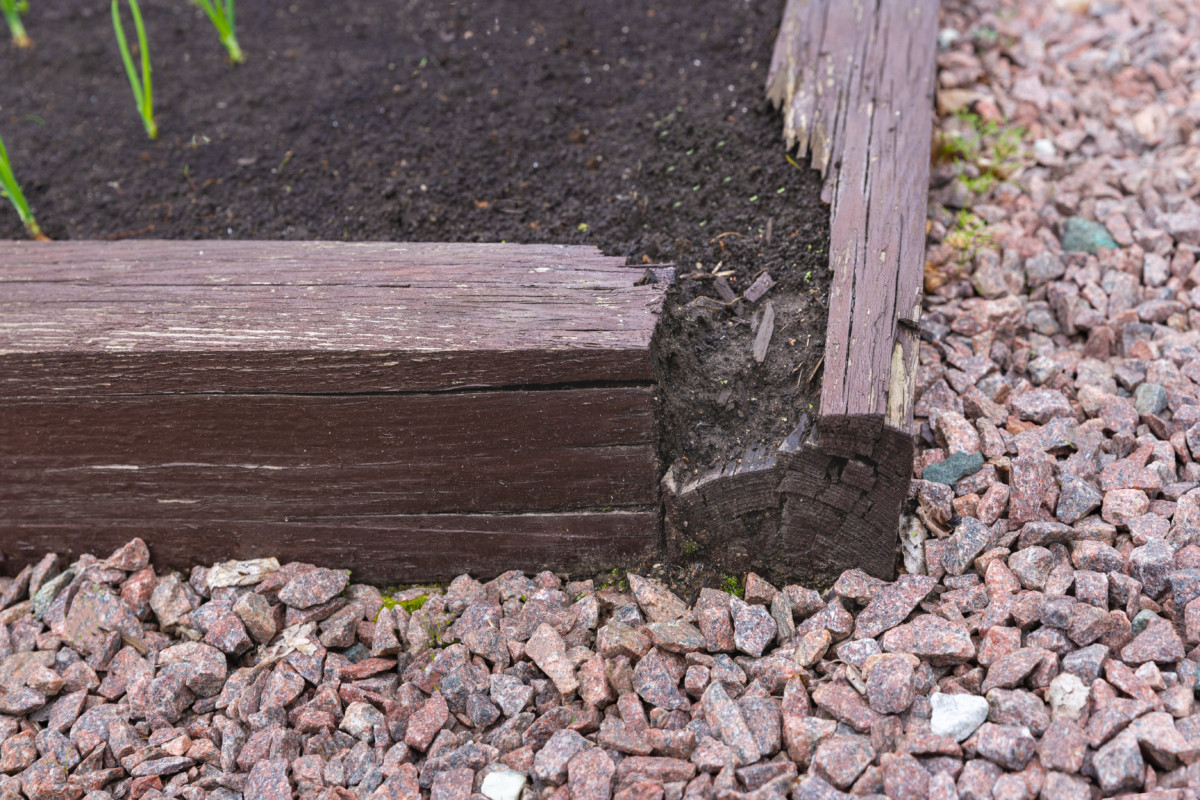
factors in this disparity was the need for better, long-term infrastructure (read: growing spaces that last and healthy, renewable soil). Essentially, they led with the bad news and left out all the good news.
Raised beds and home gardeners took a beating based on headlines rather than the study as a whole.
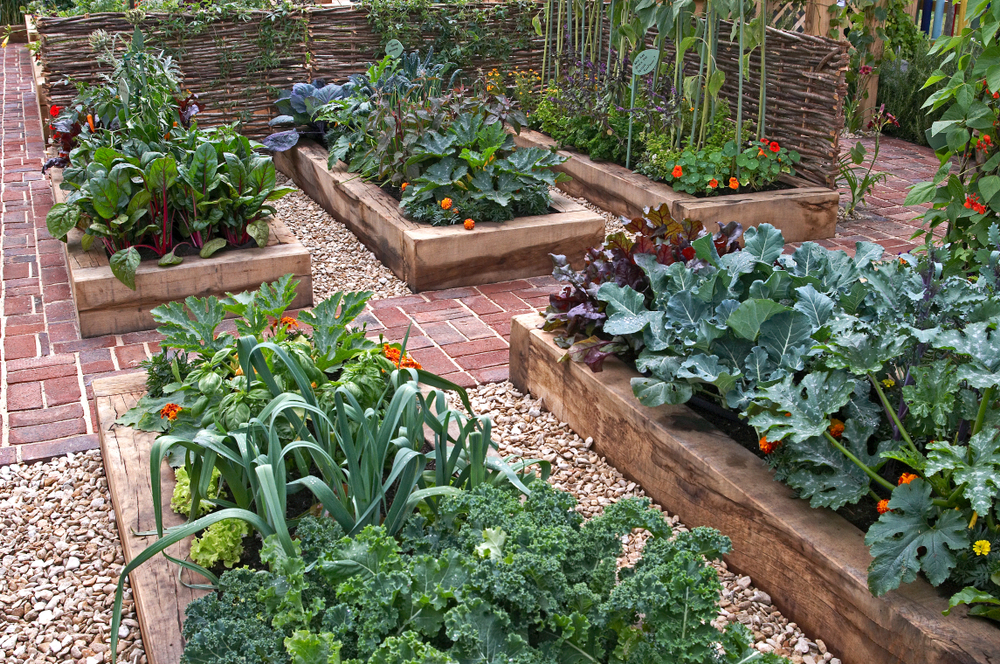
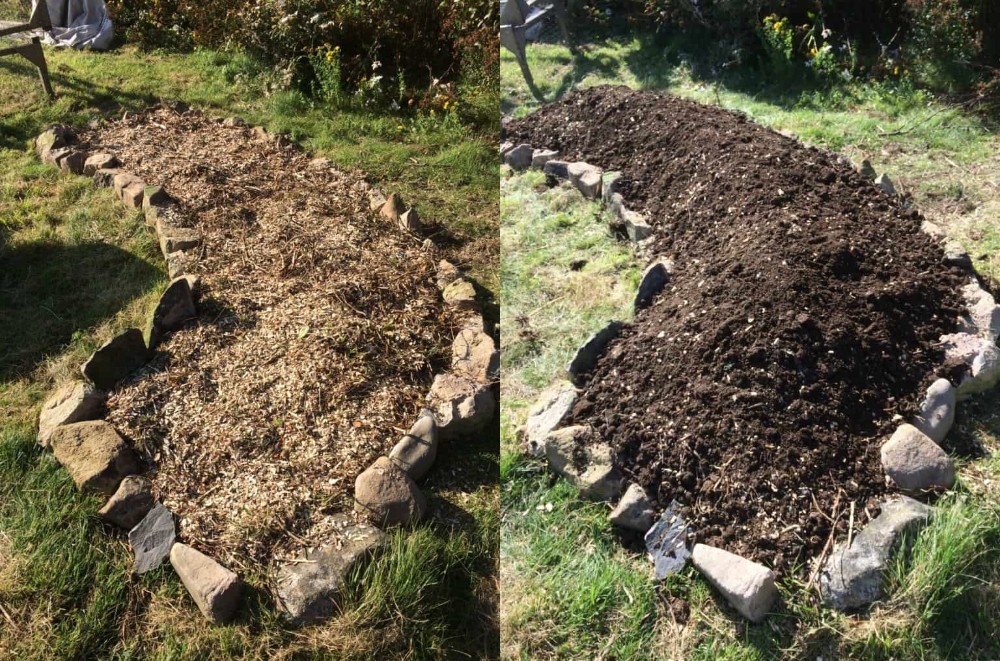
There are many great ways we can make raised beds more carbon-friendly. So, this week’s What’s Up Wednesday is all about raised beds: the good, the bad and the somewhere in between.
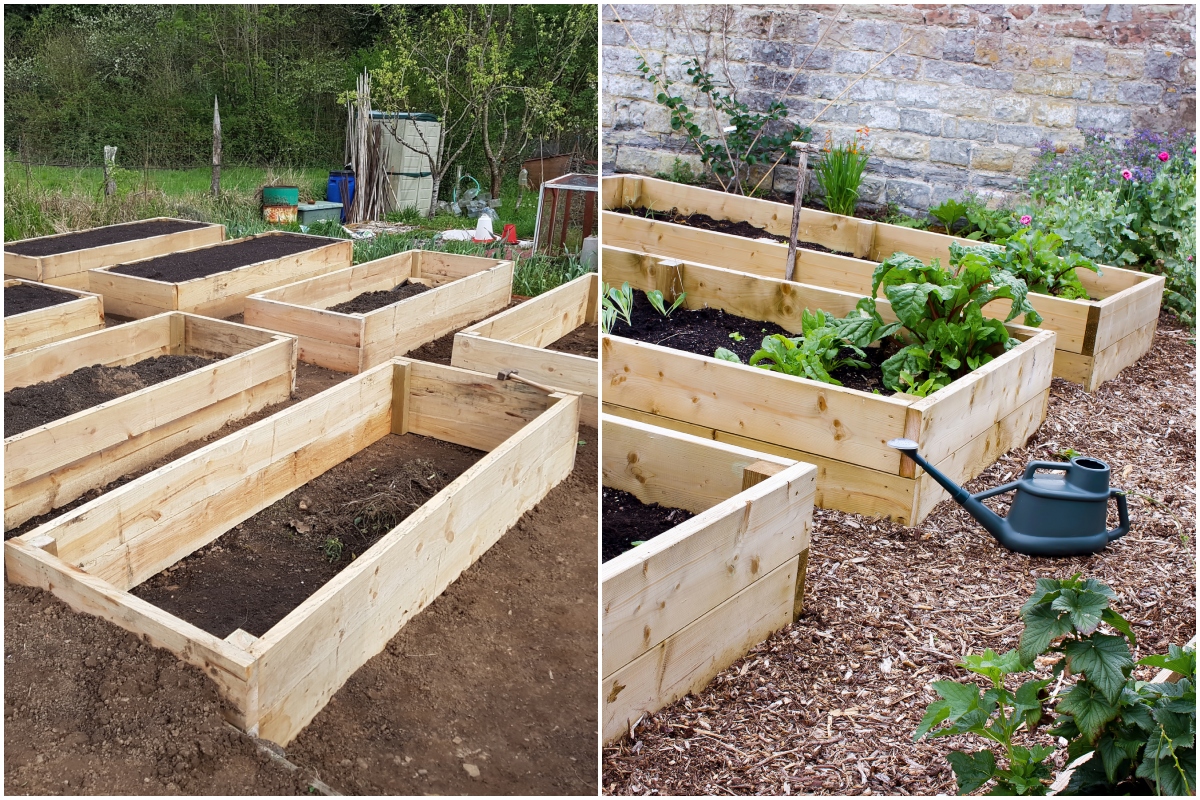
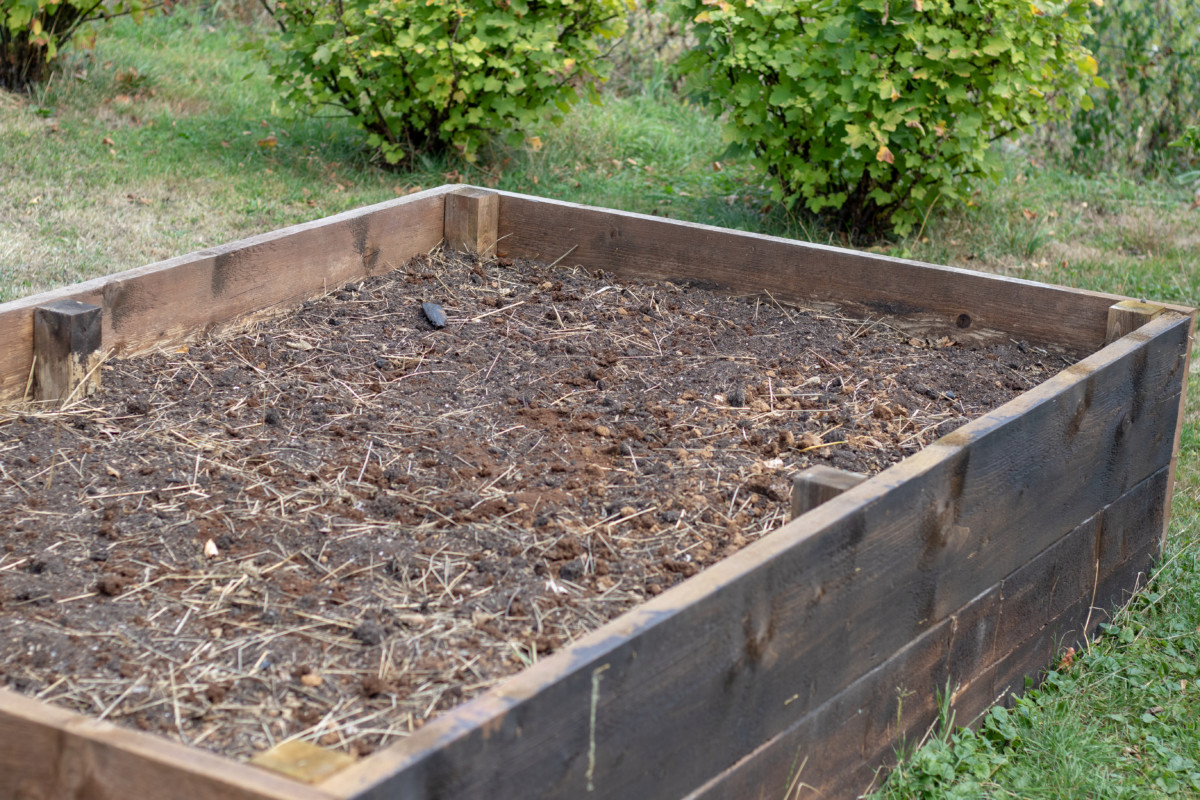
A raised garden bed, freshly filled up with healthy soil for the first time, is a wonderful thing.…
Here's the link to the study that started it all. If you are a raised bed gardener or you’re thinking about switching to raised beds, it’s good food for thought.